
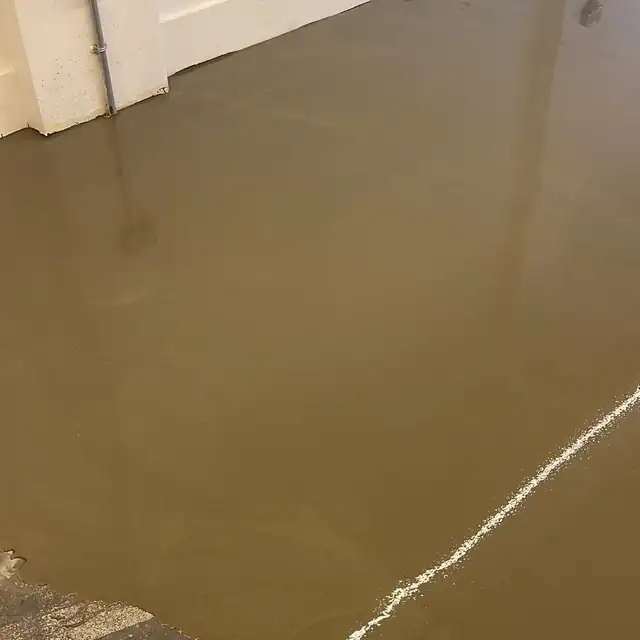
Every hard floor is only as flat as the thing it is laid on. Vinyl, LVT and laminate are a few millimetres thick and completely honest: a hollow, a ridge, a proud screw head or the edge of a floorboard will show through the finished floor, usually within the first year. Levelling the floor first is the least visible part of the job and the part that decides how it looks in five years.
How we tell whether a floor needs it
With a two metre straight edge and a torch. We lay the edge across the floor in several directions and look for the light under it. A gap of a couple of millimetres over two metres is normal and fine. More than that, or a sharp step where two boards or two slabs meet, and the floor needs bringing level before anything goes down.
Latex levelling compound
For most floors this is the answer: a self-smoothing compound poured over the floor and spread out, which finds its own level and dries to a hard, flat surface. A few millimetres is usual, more where a floor dips. It is mixed on site and it goes off quickly, so a room is done in one go rather than in patches.
Plywood overlay
Over timber floorboards, ply is often better than compound. Boards move, and they move independently, so a rigid layer across them stops the joints telegraphing through. We screw the ply down at close centres rather than nailing it, because nails work loose and a squeak under a new floor is almost impossible to fix afterwards.
Drying time is real and it cannot be hurried
Compound needs to dry before flooring goes on it. That is usually overnight for a thin application and longer for a deep one, in a heated, ventilated room. Laying a floor over a screed that is still holding moisture traps it, and with glue-down LVT that means a bond that fails. If a quote promises to level a floor and fit on top the same afternoon, ask how.
Damp, and why concrete needs checking
A solid ground floor without a working damp proof membrane will push moisture up into whatever you lay on it. Before we screed one we check it, and where there is any doubt we apply a liquid damp proof membrane first and let it cure. It adds a day and it saves a floor.
What happens when levelling is skipped
Vinyl shows every lump as a shiny high spot that wears through first. Glue-down LVT bonds only where it touches, so the planks lift at the edges and the joints open. Laminate rocks and clicks as you walk over it, and the click joints fail early. Carpet is the most forgiving of the four, but even carpet finds a sharp ridge eventually.
Where it matters most
Kitchens and bathrooms, because vinyl is thin. Any glue-down LVT, and herringbone above all, since the pattern makes every deviation visible along the walls. Converted garages, extensions and anywhere two floors of different ages meet, where there is often a step of ten millimetres or more to bring together.
Why LVT depends on the subfloor
What it costs and how we quote it
Levelling is quoted separately from the flooring, per square metre, and it depends on the depth needed and whether the floor has to be primed or damp proofed first. We measure the floor with a straight edge at the visit and tell you then, rather than raising it on the day when you have already committed.
New builds and extensions
New concrete holds a great deal of water and has to dry before a floor is stuck to it, which takes considerably longer than most build programmes allow. We will test it rather than guess, and tell you honestly whether it is ready. It is a conversation worth having early, because it moves dates.
Is screeding the same as levelling?
In this trade the words get used for each other. A structural screed is part of the building; what a flooring fitter does is a thin levelling layer over what is already there.
Can you level over old tiles?
Usually yes, once loose ones are lifted and the surface is primed. It saves a great deal of dust and time compared with removing them.
How long before I can walk on it?
A few hours for foot traffic, overnight or longer before flooring goes down. We will tell you the figure for the product we use.
Will it raise my floor height?
By a few millimetres for compound, more for ply. It matters at doorways and at the bottom of a staircase, so we check door clearances at the measure.
More flooring we fit
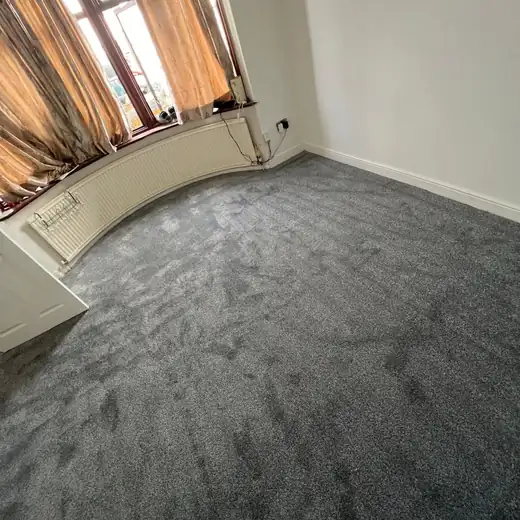 Carpet tiles
 supplied and fitted for offices, sh…
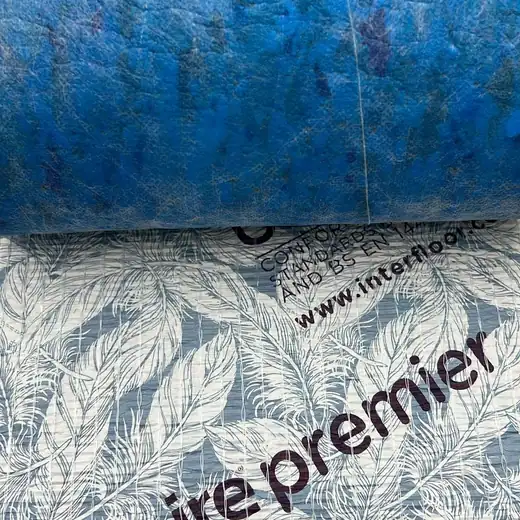 Carpet underlay
The underlay grades we fit, what each one feels…
 Gripper, door bars and the rest
Gripper rods, door threshold bars, adhesive and…
 Herringbone carpet
Herringbone patterned carpet supplied and fitted…
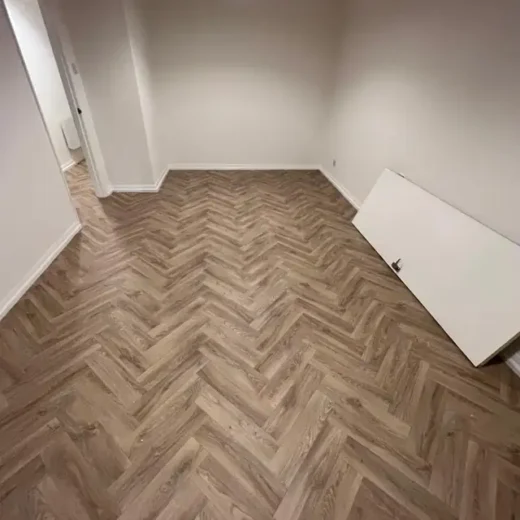 Herringbone flooring
Herringbone LVT and wood-effect flooring, set ou…
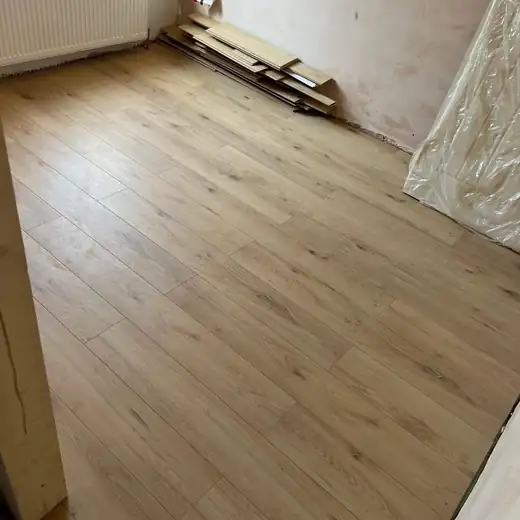 Laminate flooring
 supplied and fitted in Essex a…
Rather talk it through? We measure free, with no obligation.


